
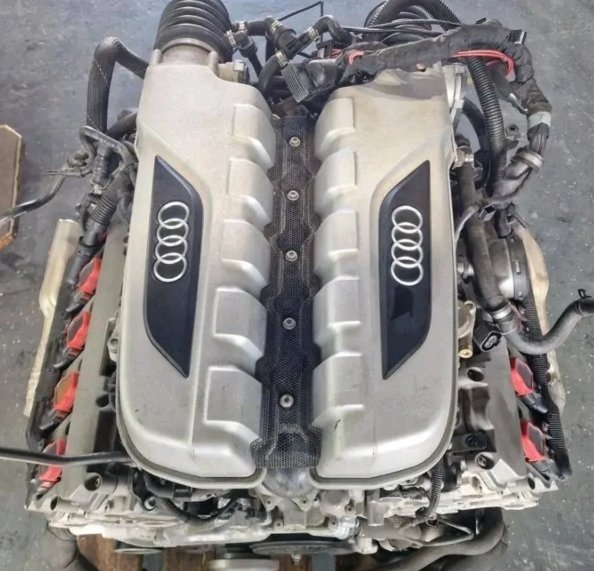
What Healthy Engines Should Sound Like

Owning an Audi means you don’t just drive a car—you enjoy a symphony of engineering where every sound tells you a story about how your engine is feeling today.
When you turn that key or push the start button, you expect your Audi to answer back with smooth, confident tones that reassure you everything is working exactly as it should.
Let’s dive into what a healthy engine should sound like, so you can tell the difference between normal humming and noises that scream “please fix me right now.”
The Gentle Hum of Happiness
When your Audi engine is healthy, it should produce a smooth and consistent hum that feels almost like background music rather than a distracting or worrying noise.
You should notice the engine purrs evenly at idle, with no random hiccups or coughing sounds that could indicate combustion problems hiding beneath the surface.
A gentle hum means everything from spark plugs to fuel injectors is cooperating, delivering precise bursts of power exactly when and where your Audi needs it most.
Imagine your Audi engine as a relaxed singer hitting the right notes effortlessly, with no awkward pitch changes or forced vibrato interrupting the rhythm of its mechanical tune.
A smooth hum is like your car saying, “I’m comfortable, I’m strong, and I’m ready to take you wherever you want to go without complaints.”
If you ever sit at a red light and your Audi feels steady, balanced, and calm with no shaking or harsh noise, you’re experiencing engine health at its finest.
That consistent hum becomes your reassurance that every moving part is well-lubricated, synchronized, and perfectly balanced inside the heart of your Audi’s performance-driven design.
The Confident Roar of Acceleration
Step on the gas in a healthy Audi, and the engine should reward you with a confident roar that feels powerful, smooth, and refined without crossing into harsh or rattling territory.
This roar isn’t about loudness—it’s about quality, tone, and strength, giving you the satisfying feedback that your car has muscle while staying polished and under control.
A healthy acceleration sound means combustion is happening cleanly, the turbo is spooling smoothly, and airflow is feeding your engine like a steady stream of oxygen to an athlete.
When you accelerate, you shouldn’t hear metallic clattering, whining, or hesitation; instead, you should hear a steady buildup of power that matches your foot’s pressure on the pedal.
Your Audi’s roar should sound like energy being released with precision, much like an orchestra building toward a crescendo while keeping every instrument in perfect harmony.
It’s thrilling without being overwhelming, like hearing a perfectly tuned guitar strum that makes you smile because you know it’s balanced, rich, and hitting every note correctly.
If your acceleration feels smooth and powerful, you can trust that parts like pistons, valves, and turbos are playing together like teammates who know their roles by heart.
This is when you realize your Audi doesn’t just move you—it performs for you, giving you a soundtrack of strength and control every time you press the gas.
The Quiet Confidence at Cruising Speeds

Once you’re up to speed, a healthy Audi engine should settle into a quiet rhythm, where sound becomes less noticeable, leaving you to enjoy the drive itself.
A confident engine at cruising speeds doesn’t shout for attention—it whispers reassurance, telling you everything is working properly without demanding your ears stay focused.
When cruising on the highway, you should hear little more than a faint hum, because your engine is already warmed up and operating efficiently at its sweet spot.
This quiet confidence means engine vibrations are minimized, parts are balanced, and combustion is consistent, so you feel smoothness rather than hearing intrusive or worrying noises.
It’s like the difference between a calm ocean and a stormy one—your Audi should feel calm, steady, and unbothered, giving you peace while you enjoy the journey.
Some Audi engines are designed to sound sporty at higher speeds, but even then, the noise should feel intentional, controlled, and exciting rather than rough or alarming.
When everything is in balance, you get a ride that feels effortless, where engine sounds fade into the background while you focus on the road and scenery.
This is the stage where you know your Audi is not just functioning—it’s thriving, quietly delivering performance with grace while making the experience comfortable for you.
The Warning Signs to Notice
Not every sound your engine makes is a healthy one, so learning to distinguish normal tones from problem noises can save you money and stress down the road.
A knocking sound, for example, usually means fuel isn’t combusting properly, which could lead to serious damage if ignored for too long.
High-pitched squealing often comes from worn belts, and while that may not destroy your engine immediately, it’s your car’s way of begging you for maintenance attention.
Rattling could suggest loose components, failing parts, or even an issue with your exhaust system, all of which need professional checks before they grow into disasters.
Grinding or screeching are never healthy noises, especially if they grow louder with acceleration, since those often point to mechanical wear deep inside your Audi’s heart.
Even though modern Audis are full of sensors and warning lights, your ears remain one of the most effective tools for catching early signs of trouble.
Pay attention to new noises that don’t feel familiar, especially if they come with vibrations, performance drops, or dashboard lights that signal your Audi is unhappy.
By acting quickly when you notice unusual sounds, you can keep your engine’s healthy hum intact and prevent small issues from turning into major repairs.
Keeping the Music Going
A healthy Audi engine doesn’t just happenit’s the result of regular care, good driving habits, and keeping an ear out for how your car communicates with you.
You should schedule regular oil changes, use quality fuel, and listen carefully to the normal soundtrack your engine produces during daily driving.
If you stay familiar with your Audi’s healthy sounds, it becomes easier to notice when something changes, giving you an early advantage in maintaining your car.
Think of it as building a friendship with your engineyou learn its quirks, its rhythms, and its unique way of saying, “I’m doing just fine today.”
By staying attentive and proactive, you’ll keep your Audi engine singing its healthy song for years, rewarding you with performance, reliability, and driving pleasure.
At the end of the day, your ears might be the most underrated maintenance tool, helping you keep your Audi at its absolute best.
Noises That Signal Trouble
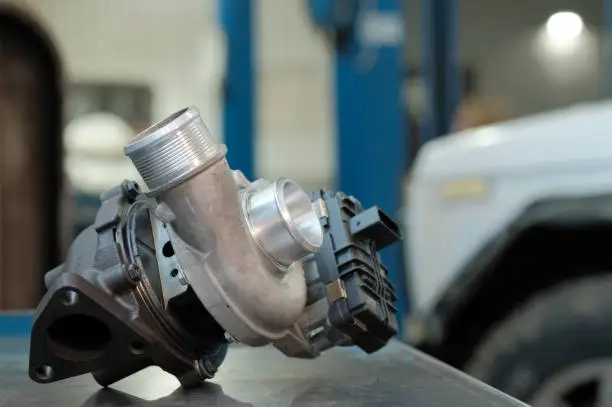
Every Audi has its own voice, and when everything is healthy, that voice is smooth, confident, and steady. But sometimes, your car changes its tone, and that’s when you should really pay attention.
Engines rarely hide their issues completely. Instead, they start leaving little sound clues, almost like a mystery waiting for you to solve. The good news? Once you know what to listen for, you can stop a small issue from becoming a giant headache.
So, let’s talk about the noises you never want to ignore and what they could mean for your Audi.
Knocking: The Unwanted Drum Solo
One of the most concerning noises you might hear is a knocking or pinging sound coming from under the hood, especially when you accelerate or climb a hill.
This noise is usually linked to improper fuel combustion, which means the air-fuel mixture inside the engine isn’t burning as smoothly as it should.
Sometimes, the issue could be as simple as using the wrong fuel grade, since many Audi engines are designed to perform best with premium gasoline rather than regular.
Other times, knocking can be a sign of worn spark plugs, carbon buildup, or even deeper mechanical problems that need immediate attention.
Think of knocking as your engine’s way of saying, “Hey, something isn’t working right in here, and if you ignore me, I’m going to make things much worse.”
A healthy Audi engine should never sound like a drummer practicing in your engine bay, so if you hear knocking, get it checked before the rhythm gets out of control.
Squealing: The Unwanted Karaoke Singer
Few sounds are as attention-grabbing as a loud squeal, especially when you start your Audi or turn the steering wheel sharply in a parking lot.
This squealing is often caused by a worn or slipping serpentine belt, which powers essential systems like your alternator, power steering pump, and air conditioning.
If that belt is loose, cracked, or glazed with wear, it starts to slip on the pulleys and sings out like a bad karaoke performance you never wanted to hear.
While it may seem like just an annoying sound, a failing belt can leave you stranded if it snaps, because your Audi relies on it for so many critical functions.
Sometimes brakes also squeal, and while a little squeak can be normal when pads are new, constant high-pitched squealing usually means the pads are worn thin.
Either way, a squealing sound is not your Audi auditioning for a singing competition it’s asking you for a replacement part before something more serious happens.
Rattling: The Sound of Loose Ends
Rattling noises are often the trickiest to pin down, because they can come from different areas of your Audi, ranging from harmless to very serious problems.
You might hear rattling from under the car if your heat shield has come loose, which is usually an easy and inexpensive fix.
But rattling can also signal failing exhaust components, loose engine parts, or even internal engine trouble that you definitely don’t want to ignore.
Inside the cabin, rattling can sometimes be caused by something as simple as coins in the cupholder or sunglasses in the glovebox bouncing around while you drive.
But when the rattling is consistent, loud, or gets worse with acceleration, it’s a strong clue that something important isn’t secured or is wearing out.
Think of rattling as your Audi shaking a maraca—it’s entertaining at first, but if you don’t investigate, that shake can lead to expensive problems very quickly.
Grinding and Screeching: The Alarm Bells
Few noises make drivers cringe like grinding or screeching, because they almost always signal friction happening where it shouldn’t, usually inside crucial parts of your Audi.
Grinding during braking often means your brake pads are completely worn down, and now the metal backing is scraping against the rotor, which can damage both parts.
If the grinding happens while shifting gears, it may point to transmission issues like worn synchronizers or low transmission fluid, both of which need immediate attention.
Screeching noises under acceleration could mean bearings, pulleys, or other rotating parts inside your engine are failing, and ignoring them could lead to breakdowns.
These sounds are your car’s equivalent of pulling a fire alarm—your Audi isn’t trying to be dramatic, it’s trying to save you from a costly repair.
Whenever you hear grinding or screeching, take it seriously and get a mechanic involved, because this isn’t a sound that fixes itself with time.
Whistling and Hissing: The Sneaky Sounds
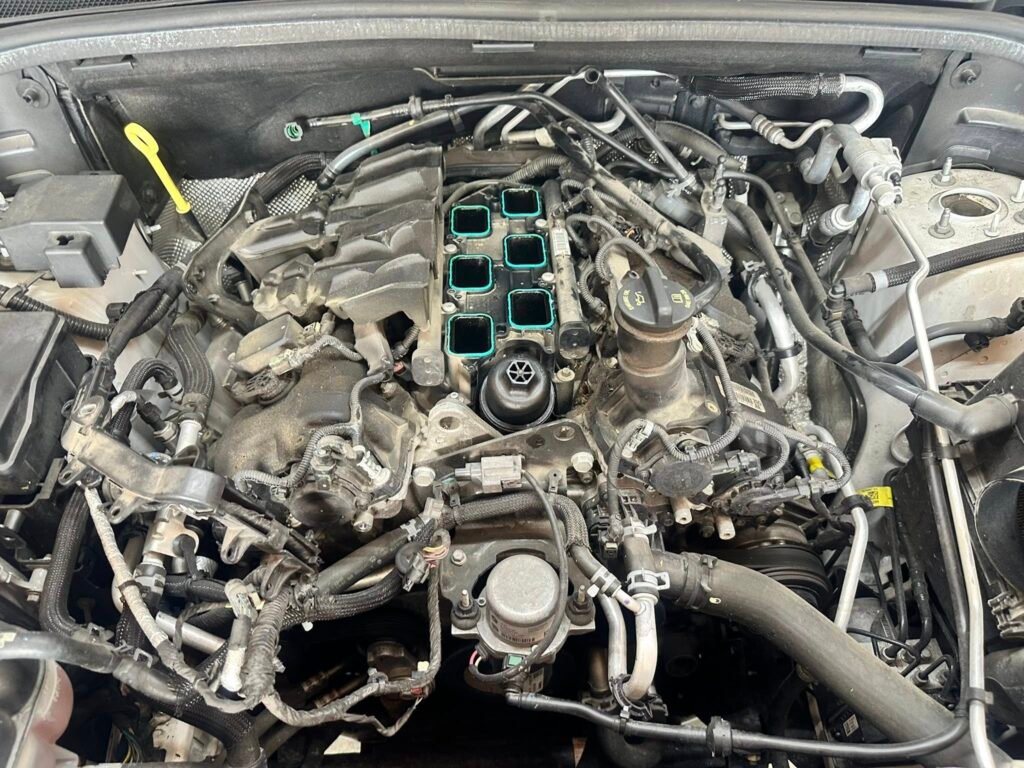
Some engine troubles don’t roar, grind, or rattle—they whisper, in the form of whistling or hissing noises that creep into your driving experience.
Whistling often comes from a vacuum leak, meaning air is slipping into places it shouldn’t, which can throw off your engine’s balance and performance.
Turbocharged Audis may whistle slightly as part of normal operation, but if the sound grows sharp, high-pitched, or happens constantly, it’s worth investigating.
Hissing, on the other hand, can suggest coolant or steam escaping from a leak, often pointing to issues with your radiator, hoses, or cooling system connections.
Both of these sounds may seem minor compared to knocking or grinding, but they can still create major issues if ignored, especially since leaks and airflow problems grow worse with time.
Think of whistling and hissing as sneaky villains in the soundtrack of your Audi—they don’t shout, but they slowly cause damage until you finally notice something’s wrong.
Trust Your Ears, Save Your Audi
The beauty of driving an Audi is that the car feels refined, smooth, and reliable so when something doesn’t sound right, you’re usually quick to notice.
Your ears are one of your best diagnostic tools, because every unusual sound has a story to tell about what’s happening under the hood.
By paying attention and acting early, you can turn what could have been a massive repair into a quick fix that saves you time, money, and frustration.
So the next time you hear something that doesn’t sound like your Audi’s usual hum, roar, or whisper, don’t ignore it—your car is asking for help.
And when you listen, you’re not just protecting your Audi—you’re making sure your drives stay smooth, safe, and enjoyable for years to come.
How Exhaust Affects Engine Acousticshttps://www.audi.com/en/sustainability/people-society/responsibility-in-the-supply-chain/sustainability-supply-chain/
When you start your Audi, you probably don’t just listen to the radio—you also listen to the car itself. The exhaust note is like its personality, its voice, and its way of saying, “I’m alive and ready to go.”
Audi engines are carefully engineered to deliver power, but the exhaust system is what turns that power into sound you can actually hear. And believe it or not, everything from the size of the pipes to the shape of the muffler plays a role in creating the acoustics you enjoy (or sometimes complain about).
So, let’s take a look at how your Audi’s exhaust system shapes the sound of your drive, why it matters, and how you can recognize when something doesn’t sound quite right.
The Exhaust as Your Car’s Sound System
If you think of the engine as the band, the exhaust is the speaker system. It takes all the energy from combustion and decides how it should sound when it reaches your ears.
A healthy Audi exhaust balances performance and comfort. You don’t want your car to be whisper-quiet, but you also don’t want it to sound like a lawnmower struggling uphill.
The system starts with the exhaust manifold, which collects gases from the cylinders, and then channels them through pipes, catalytic converters, resonators, and finally, the muffler.
Every bend, chamber, and hole along the way affects the final soundtrack of your Audi, turning raw combustion into a refined symphony or, if things go wrong, a noisy disaster.
Some Audi models are designed to sound sporty right from the factory, giving you that satisfying growl during acceleration. Others are tuned to stay quiet and luxurious, almost whispering instead of shouting.
It’s all about finding the perfect balance—enough sound to remind you of the power under your hood, but not so much that your neighbors start filing noise complaints.
How Exhaust Tone Shapes Your Driving Mood
Believe it or not, the sound of your exhaust can completely change how you feel behind the wheel. A deep, confident growl makes you feel powerful, while a smooth hum keeps things relaxed.
When you press the gas pedal in an Audi S or RS model, the exhaust is tuned to give you a sharp, sporty bark that gets your adrenaline pumping.
Meanwhile, in models built for comfort, like the A6 or A8, the exhaust is tuned to keep things classy and quiet, making you feel calm and composed during long drives.
The tone of the exhaust is carefully engineered using resonators and mufflers that either amplify or reduce certain frequencies. Engineers actually spend hours making sure your car sounds “just right.”
If you’ve ever noticed how satisfying it feels when your car roars during acceleration and then settles down at cruising speeds, that’s no accident—that’s acoustic design at work.
Your exhaust is basically like a mood ring, reflecting the personality of your Audi and setting the tone for your entire driving experience.
When Exhaust Noises Signal Trouble
Of course, not all exhaust sounds are created equal. Some noises aren’t just part of your car’s character they’re warning signs that something is wrong under the hood or beneath the floor.
If your Audi suddenly sounds louder than usual, like it’s trying out for a heavy metal band, you may have a hole or crack in the exhaust pipes or muffler.
Hissing noises can mean there’s a leak, usually near a gasket or joint, which can affect both your car’s performance and your fuel efficiency.
Rattling from the back end might mean a loose heat shield or failing catalytic converter, both of which need quick attention before they cause bigger issues.
And if your exhaust starts popping or backfiring, that usually means your engine isn’t burning fuel as cleanly as it should, which can cause long-term damage.
Your exhaust doesn’t usually lie—it tells you right away when it’s unhappy. So, if the soundtrack changes suddenly, it’s a good idea to get it checked.
The Fun Side of Exhaust Acoustics
While some people see exhaust noise as a problem, others see it as pure joy. After all, there’s a reason aftermarket exhaust upgrades are so popular among Audi fans.
Swapping out a stock muffler for a performance version can make your car sound deeper, throatier, and more aggressive, giving you a soundtrack that matches your driving style.
Some systems even come with adjustable valves, letting you switch between “quiet mode” for daily commutes and “sport mode” for weekends when you really want to hear the growl.
It’s like having two personalities in one car polite and professional during the week, loud and wild when the fun begins.
Audi themselves know how much sound matters, which is why they’ve developed exhaust setups that give you the perfect mix of refinement and excitement right out of the showroom.
If you love cars, you know sound is part of the funand your exhaust is the one instrument you never get tired of hearing.
Keeping Your Exhaust Happy
If you want your Audi to keep sounding good, you’ll need to give your exhaust system a little love now and then.
That means checking for rust or damage, making sure hangers and shields are secure, and replacing worn parts before they cause problems.
Regular maintenance keeps your car not only safe and efficient but also sounding exactly the way Audi engineers intended.
And remember, your exhaust isn’t just about noiseit’s also a key part of emissions control, helping your car stay eco-friendly while delivering the performance you love.
By keeping it in good condition, you’re protecting your engine, saving fuel, and ensuring your Audi keeps singing the right tune for years to come.
Wrapping It Up
The exhaust isn’t just an afterthoughtit’s one of the most important parts of your Audi’s personality. It shapes the sound you hear, the mood you feel, and the performance you enjoy.
From the deep growl of acceleration to the quiet hum of cruising, your exhaust is the bridge between raw engine power and your everyday driving experience.
So next time you start your Audi, take a moment to appreciate its unique voice. If it’s smooth and strong, smile and enjoy the ride. If it’s noisy or strange, listen carefullyit might be asking for help.
Your Audi doesn’t just driveit talks. And the exhaust is its microphone.
Engine Sound Tuning for Fun
Driving an Audi isn’t just about going from point A to point B it’s about how the journey feels, and yes, how it sounds while you’re doing it.
One of the coolest things about modern cars is that sound isn’t just a byproduct of the engine anymore. With tuning, technology, and clever design, you can shape your Audi’s voice into something truly unique.
So, let’s explore the fun world of engine sound tuning, why people love it, and how it changes your experience behind the wheel.
Why Engine Sound Matters
When you step into your Audi, you don’t just want smooth handling and fast acceleration—you want a soundtrack that matches the performance under the hood.
The growl when you press the gas, the satisfying rumble at idle, and even the sporty crackles when you lift off the pedal all make the drive feel alive.
Sound has a strange powerit can turn a normal commute into something exciting or make a long road trip more engaging just by adding the right amount of character.
Audi knows this, which is why many models come with sound engineering already built-in, giving you that perfect balance between luxury and thrill.
Without sound tuning, your car might still be powerful, but it won’t feel as emotional—you’ll be missing the little details that make every drive more memorable.
So, sound isn’t just noise. It’s part of the entire driving experience, and when tuned properly, it becomes an extension of your Audi’s personality.
Methods of Engine Sound Tuning
If you’re curious about how sound tuning actually works, you’ll be surprised to learn there are quite a few different methods available depending on your preferences.
The most common method is exhaust tuning, where aftermarket mufflers or resonators are added to change the tone, making it deeper, louder, or more aggressive.
Some drivers install sport exhaust systems with valves that open and close, giving you the ability to switch between quiet city driving and loud weekend fun.
Another approach is intake tuning, which changes the airflow into the engine, often giving you a sharper, sportier induction sound when you accelerate hard.
And then there’s electronic sound tuning, where speakers or actuators are used to enhance or simulate engine noise inside the cabin, making it more immersive without actually increasing outside noise.
Audi uses this technology in several models, letting you enjoy the thrill without bothering your neighbors every time you start the car early in the morning.
Each method has its own charm, and many Audi fans experiment until they find the perfect balance that makes their car sound exactly how they want.
The Fun Factor Behind Sound Tuning
At the end of the day, engine sound tuning is all about fun. It doesn’t necessarily make your car faster, but it makes it feel faster, more engaging, and more exciting.
Think about the thrill of hearing your Audi roar when you accelerate onto the highway it’s a feeling that goes beyond speed, turning simple driving into something special.
Some enthusiasts love the sporty pops and crackles that happen during downshifts, which add drama and make every gear change feel like a performance.
Others prefer a smooth, deep rumble that reminds them of classic performance cars, adding a sense of heritage and power to modern driving.
No matter your preference, sound tuning gives you the freedom to personalize your car’s voice, making it unique to you instead of just another factory setup.
It’s like customizing your playlist sure, the music might be the same for everyone, but the way you tune it makes it yours.
Driving becomes more emotional, and suddenly, every tunnel or empty road feels like a stage where your Audi gets to perform its own soundtrack.
Things to Keep in Mind
Of course, with great sound comes great responsibility. Not every sound modification is legal everywhere, and some neighborhoods aren’t thrilled with cars that sound like race machines.
If you’re considering tuning your Audi’s sound, always check local noise regulations to avoid fines or unwanted attention from people who don’t share your enthusiasm.
You should also consider balance. Too much noise might be fun at first, but it can become tiring during long drives, especially if you spend hours on the highway.
Reliability matters too. Poor-quality parts can affect performance, fuel efficiency, and even safety, so it’s always worth investing in components designed specifically for your Audi.
The best setups strike a balance between excitement and comfort, giving you a car that sounds great when you want it to, and quiets down when you need peace.
So yes, tuning is funB but thoughtful tuning is the real secret to long-lasting enjoyment.
Wrapping It Up
Engine sound tuning is one of the easiest ways to add personality, excitement, and uniqueness to your Audi without making massive changes to performance.
Whether you prefer the deep rumble of a sport exhaust, the futuristic tech of electronic sound design, or the sharp growl of an intake upgrade, there’s an option for everyone.
The real joy is in personalizationmaking your Audi sound exactly how you want it to, so every drive feels like your own private performance.
So, if you’ve ever smiled after hearing your car echo through a tunnel or grinned at the satisfying growl during acceleration, you already know why sound tuning matters.
Your Audi isn’t just a machine it’s a musical instrument, and you’re the conductor. So tune it, enjoy it, and let your car sing the way you like it best.
Fuel Efficiency in Audi Engines
Driving an Audi isn’t just about speed, luxury, and performance it’s also about doing it smartly, without burning through gas like it’s a racetrack. Fuel efficiency has become a top priority for modern Audi engines.
Whether you’re commuting, taking a weekend road trip, or cruising on the highway, understanding how your Audi uses fuel can save you money, reduce emissions, and even enhance performance if done right.
Let’s dive into how Audi engines stay efficient, what parts play a role, and how you, as the driver, can get the most out of every drop of fuel.
How Audi Engines Stay Efficient
Audi engineers are masters of balancing power and efficiency. Modern engines use a mix of advanced fuel injection, turbocharging, and lightweight components to get the most energy out of every drop of gas.
Turbocharged engines, for example, give you more power when you need it but remain fuel-efficient at cruising speeds. They do this by compressing air efficiently, which means the engine burns fuel more effectively.
Direct fuel injection also plays a big role. Instead of spraying fuel into the intake manifold, it injects it directly into the combustion chamber, creating a more precise burn and maximizing energy output.
Lightweight engine parts and clever materials reduce overall weight, which helps your Audi glide more smoothly. Less mass means less energy required, which directly improves fuel efficiency.
Even small things like friction-reducing coatings on engine components contribute by minimizing wasted energy and ensuring smooth movement, which translates into more miles per gallon.
Parts That Help Save Fuel

Many Audi owners don’t realize how much each engine component contributes to fuel efficiency. From spark plugs to exhaust systems, every part has a role.
Spark plugs ensure clean and consistent combustion. When they’re in good shape, your engine burns fuel completely, reducing waste and giving you better mileage.
The exhaust system is more than just a sound producer. Catalytic converters, mufflers, and resonators work together to optimize back pressure, helping the engine breathe efficiently and conserve fuel.
Sensors are hidden heroes, constantly monitoring oxygen, airflow, and temperature. They adjust fuel injection in real-time, making sure your engine uses just enough fuel for optimal performance.
Turbochargers and intercoolers also contribute. By forcing more air into the engine without increasing fuel consumption unnecessarily, they provide a perfect balance of power and economy.
Even the transmission plays a role. Smooth shifting and intelligent gear ratios allow your engine to operate in its most efficient range, saving fuel on city streets and highways alike.
Driving Habits That Boost Efficiency
Your Audi can only do so much if your driving habits don’t support fuel economy. Luckily, simple changes can make a big difference.
Smooth acceleration and braking reduce wasted energy. Think of it as giving your engine a chance to breathe rather than forcing it to work harder than necessary.
Cruising at steady speeds on highways instead of constantly speeding up and slowing down improves fuel efficiency significantly. Cruise control can be your best friend here.
Avoiding unnecessary idling is another easy way to save fuel. Modern Audis are designed to restart smoothly, so turning off the engine at long stops can prevent wasted gas.
Keeping tires properly inflated may sound simple, but low-pressure tires increase rolling resistance, which makes your engine work harder and burn more fuel.
Finally, reducing extra weight or roof attachments can help. Every pound counts, so remove items you don’t need and enjoy the improved efficiency and handling.
Hybrid and Mild-Hybrid Benefits
Audi’s hybrid and mild-hybrid engines take fuel efficiency to the next level. These systems use electric motors to assist the engine during low-speed driving, reducing fuel consumption.
Regenerative braking recovers energy that would otherwise be lost during deceleration, storing it for later use and effectively extending your fuel economy without requiring extra effort.
Some hybrid models allow short-distance electric-only driving, which can be perfect for city streets, parking lots, or school drop-offs, reducing gasoline usage while keeping the engine fresh.
Mild-hybrids also improve stop-start systems, which automatically turn off the engine when the car is stationary, further reducing fuel waste without sacrificing comfort or performance.
The combination of these systems with Audi’s efficient engines means you can enjoy sporty performance while staying eco-conscious and saving money at the pump.
Wrapping It Up
Fuel efficiency in Audi engines isn’t just a technical achievement it’s part of the brand’s promise to deliver performance responsibly. Efficient engines, intelligent parts, and smart driving habits work together seamlessly.
By understanding how your Audi uses fuel, paying attention to engine parts, and adopting efficient driving habits, you can enjoy every drive without worrying about wasted gas.
Modern Audi engines are designed to be powerful, fun, and surprisingly efficient, proving you don’t have to sacrifice one for the other.
Next time you slide into the driver’s seat, take a moment to appreciate the technology keeping your ride smooth, fast, and fuel-conscious. It’s not just performance it’s smart performance.
CLICK HERE TO SHOP AUDI PARTS

